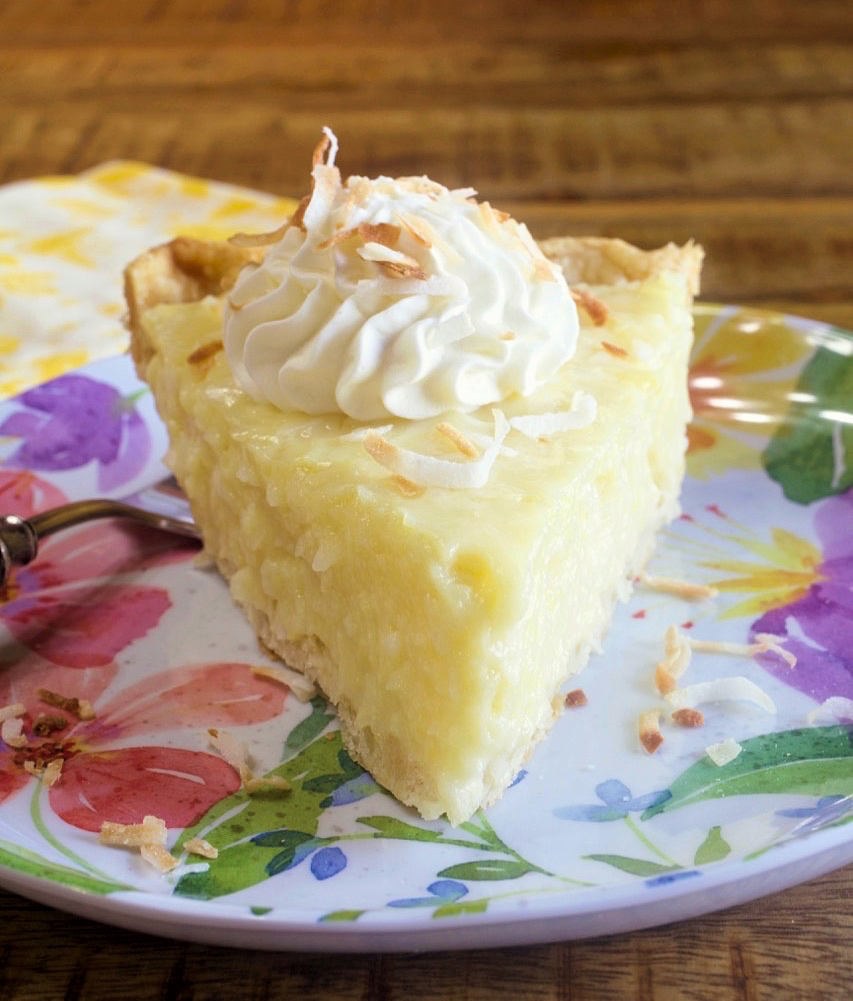
Craft the Ultimate Coconut Cream Pie: A Journey to Dessert Nirvana
Few desserts evoke such pure delight and nostalgic charm as a perfectly crafted coconut cream pie. This isn't just a dessert; it's an experience – a symphony of textures and flavors that transports you to a tropical paradise with every decadent bite. From its crisp, buttery crust to its sublimely rich coconut custard and a cloud-like topping, a truly exceptional coconut cream pie stands as a testament to the art of baking. While seemingly complex, the process is incredibly rewarding, culminating in a show-stopping dessert that’s guaranteed to impress. Prepare to dive into the secrets of creating a coconut cream pie that will become your new go-to indulgence.
The Foundation: Crafting the Perfect Pie Crust
Every magnificent pie begins with an outstanding crust, and a coconut cream pie is no exception. The crust serves as the sturdy, yet delicate, counterpoint to the creamy filling. A homemade all-butter pastry crust is the gold standard, offering an unmatched flakiness and rich flavor that store-bought versions simply can't replicate. The secret lies in cold butter, minimal handling, and proper chilling.
Homemade vs. Store-Bought: Making Your Choice
While the ultimate goal is a homemade butter crust, we understand that life gets busy. If you’re short on time, a high-quality store-bought pie crust can still yield a delicious result. However, for those special occasions or when you truly want to elevate your coconut cream pie, embracing a homemade crust is a journey worth taking. A classic butter pie crust, made with flour, cold butter, a pinch of salt, and ice water, creates layers of flaky goodness that melt in your mouth, perfectly complementing the creamy filling. Many recipes, including our own Perfect Coconut Cream Pie: Full-Fat Coconut Milk, Flaky Crust & Topping Tips, offer enough dough for two pies, allowing you to freeze half for future baking adventures.
Mastering the Blind Bake for a Flawless Crust
A crucial step for any cream pie is blind baking the crust. This prevents it from becoming soggy once the wet filling is added. To blind bake effectively:
- Chill Thoroughly: After forming the dough in your pie dish and crimping the edges, chill the crust for at least 30 minutes. This solidifies the butter, preventing shrinkage during baking.
- Build Up Edges: Butter crusts can be prone to shrinking. To combat this, ensure the edges are robust. You can fold excess dough underneath itself before crimping, or even add a strip of extra dough around the rim for added thickness.
- Weight It Down: Line the chilled crust with parchment paper and fill it with pie weights, dried beans, or rice. This prevents the bottom from puffing up.
- Bake Until Golden: Bake in a preheated oven until the edges are lightly golden, then remove the weights and parchment, and continue baking until the bottom is firm and slightly colored. This ensures a crisp foundation for your luscious coconut cream pie.
The Heart of the Pie: A Rich Coconut Custard
The soul of any coconut cream pie lies in its custard filling. It should be unbelievably creamy, bursting with authentic coconut flavor, and smooth enough to glide across your palate. This is where the magic truly happens, transforming simple ingredients into a sublime, chill-worthy delight.
The Magic of Full-Fat Coconut Milk
For an unparalleled richness, full-fat canned coconut milk is non-negotiable. Light coconut milk simply won't deliver the luscious texture and deep coconut essence that makes this pie so irresistible. Combine it with regular milk for a balanced richness that’s not overly heavy, yet profoundly satisfying. This blend forms the creamy base for our decadent custard.
Achieving Silky Smoothness and Intense Flavor
A truly great coconut custard is thick, smooth, and vibrant with flavor. Here’s how to perfect it:
- Egg Yolks and Sugar: These are the traditional thickeners that give custard its luxurious body. Whisking them with sugar before adding to the heated milk mixture ensures a smooth, lump-free consistency. Gently tempering the egg yolks by gradually whisking in some of the hot coconut milk mixture prevents them from scrambling.
- Coconut Flakes: Shredded sweetened coconut is ideal for the filling, lending sweetness and textural interest without being overly chewy. While unsweetened coconut can work, it may result in a slightly grittier texture and less sweetness, requiring adjustment to the sugar content.
- Vanilla Bean Brilliance: For a truly elevated experience, a vanilla bean scraped into the custard adds an incredible depth and aromatic richness that vanilla extract or paste, while good, can't quite match. The tiny black specks of vanilla add visual appeal too.
- Careful Cooking: Cook the custard gently over medium heat, stirring constantly, until it visibly thickens. It should coat the back of a spoon. Avoid boiling to prevent scorching or curdling. Once thickened, strain the custard for absolute smoothness, then pour it into your blind-baked crust.
Once poured, the custard needs ample time to chill and set – ideally at least 4 hours, or even overnight. This crucial step ensures a firm, sliceable pie that holds its shape beautifully.
The Crown Jewel: Topping Your Coconut Cream Pie
The topping is the final flourish, adding another layer of flavor and visual appeal to your magnificent coconut cream pie. You have a few fantastic options, each offering a distinct character.
Classic Whipped Cream Elegance
A towering swirl of freshly whipped cream is perhaps the most popular choice for a coconut cream pie. For the best results, use very cold heavy cream or heavy whipping cream, which has a high fat content. Whip it with a touch of granulated sugar until soft peaks form. The sugar not only sweetens but also helps stabilize the whipped cream, ensuring it holds up beautifully in the fridge for up to four days. Garnish generously with toasted coconut flakes for an extra crunch and intensified coconut aroma. This light, airy topping provides a beautiful contrast to the rich custard. You can learn more about topping choices in our article, Irresistible Coconut Cream Pie: Toasted Meringue, Whipped Cream, or White Chocolate?
The Allure of Toasted Meringue
Martha Stewart's iconic take on coconut cream pie features a toasted meringue topping. This is a brilliant way to use the leftover egg whites from the custard, creating a light, airy, and visually stunning crown. A Swiss or Italian meringue, made with hot sugar syrup, offers a more stable and silky texture, which can then be piped onto the chilled pie and lightly toasted with a kitchen torch or under a broiler until golden brown. This adds a delightful marshmallow-like texture and a lovely caramelization that enhances the pie's overall depth of flavor.
Unexpected Delights: White Chocolate & More
For a truly inspired twist, consider adding white chocolate shavings to your whipped cream topping, a nod to the famous Dahlia Bakery's mini coconut cream pies. The subtle sweetness and creamy texture of white chocolate beautifully complement the coconut. For visual appeal, use larger, unsweetened coconut flakes for toasting on top – they provide a more dramatic look compared to the shredded variety. Experiment with a sprinkle of lime zest for a bright, refreshing counterpoint, or even a drizzle of homemade caramel for an extra layer of indulgence.
Tips for Success and Enjoyment
Crafting the ultimate coconut cream pie is a process, but a deeply rewarding one. Here are some final tips to ensure your pie is a masterpiece:
- Plan Ahead: This pie benefits immensely from chilling. Aim to make the crust and custard a day in advance, assembling and topping just before serving for optimal freshness.
- Temperature Matters: Ensure all dairy ingredients for the custard are at room temperature before cooking (except butter for crust and cream for topping). This promotes even cooking and a smoother result.
- Taste as You Go: Adjust sweetness levels in the custard and topping to your preference.
- Storage: A finished coconut cream pie, especially one with a whipped cream topping, stores beautifully in the refrigerator for up to 3-4 days. Cover it loosely to prevent condensation.
- Serving: For the cleanest slices, ensure the pie is thoroughly chilled before cutting. Use a warm, sharp knife, wiping it clean between slices.
Conclusion
The coconut cream pie is more than just a dessert; it's a testament to the joy of homemade baking. From the crisp snap of the buttery crust to the silky embrace of the rich coconut custard and the ethereal cloud of its topping, every element works in harmony to create an unforgettable culinary experience. Whether you opt for a classic whipped cream, a toasted meringue, or a unique white chocolate flourish, the effort invested will be repaid tenfold in sighs of satisfaction. So, roll up your sleeves, embrace the process, and prepare to craft a magnificent coconut cream pie that will bring smiles and sweet memories to all who taste it.
