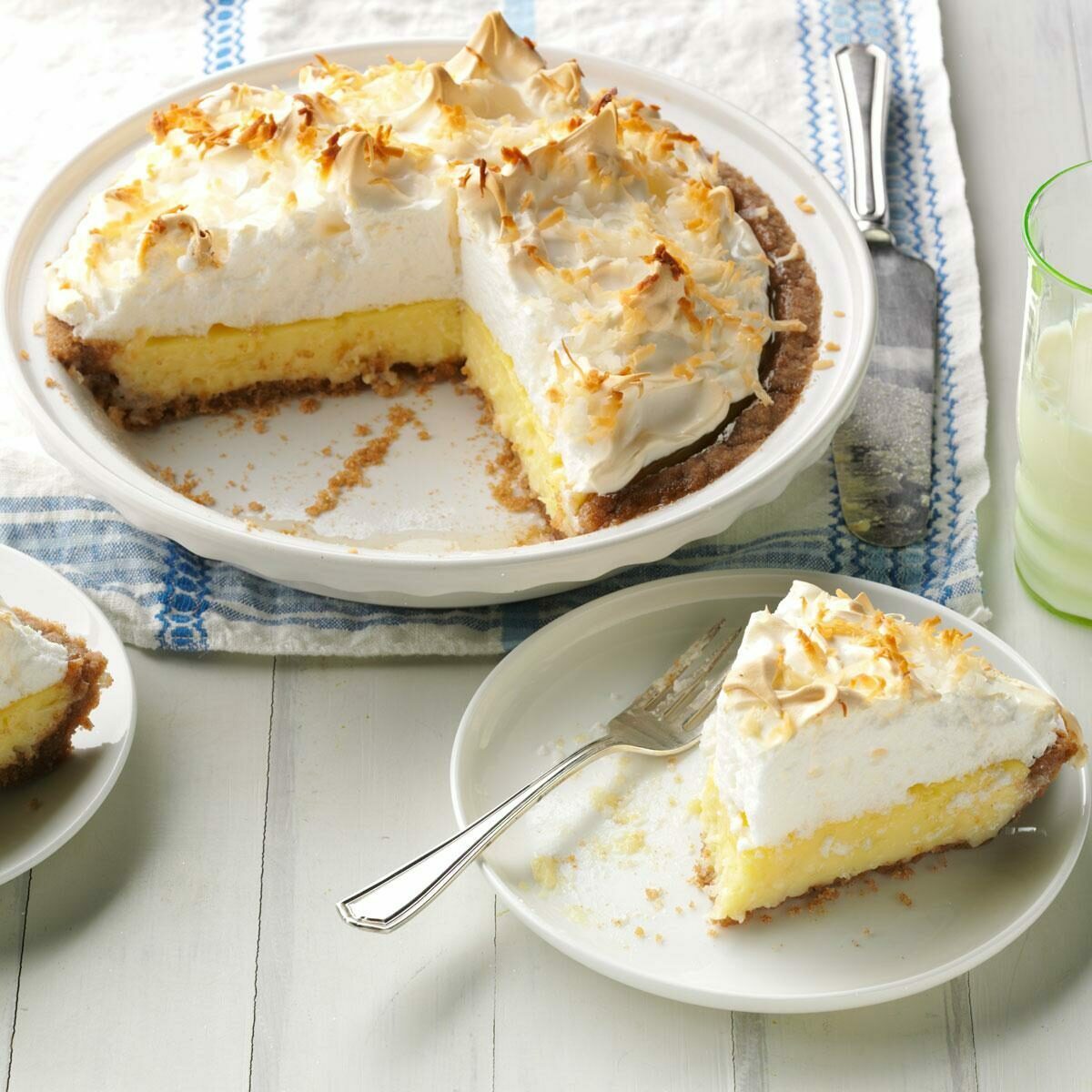
The mere mention of coconut cream pie conjures images of a slice of pure bliss: a rich, tropical custard nestled in a buttery crust, crowned with a cloud of irresistible topping. This classic dessert holds a special place in the hearts of dessert lovers, seamlessly blending the exotic sweetness of coconut with the comforting familiarity of a creamy, dreamy pie. But what truly elevates a good coconut cream pie to legendary status often comes down to its magnificent finish. Will you opt for the elegant puff of toasted meringue, the lush simplicity of soft whipped cream, or the sophisticated allure of white chocolate shavings? Each choice promises a unique journey for your taste buds, transforming a beloved classic into your personal masterpiece.
The Heart of the Matter: A Heavenly Coconut Custard
At the core of every truly irresistible Craft the Ultimate Coconut Cream Pie: Rich Custard & Buttery Crust is a sublimely rich and velvety coconut custard. This isn't just any filling; it's a testament to the power of quality ingredients and careful preparation. Martha Stewart's iconic recipe, for instance, champions a custard so opulent you'll only need a slim slice to feel utterly satisfied. The secret lies in a harmonious blend of full-fat coconut cream, whole milk, and a generous number of egg yolks, all working in concert to create an unparalleled richness.
When crafting your custard, the choice of coconut is paramount. Full-fat canned coconut milk is an absolute must – steer clear of lighter varieties, which won't provide the decadent body and flavor you're seeking. For texture and an intensified coconut essence, incorporate sweetened shredded coconut into the filling. While unsweetened shredded coconut can work, it tends to be slightly grittier and, of course, less sweet, requiring a careful adjustment of sugar. For an extra visual and textural flourish on top, many bakers adore using larger, flakier coconut varieties (like those from Bob's Red Mill), but for the filling itself, shredded is generally preferred for its smooth integration.
Another crucial flavor enhancer is vanilla. A scraped vanilla bean provides an exceptionally rich, complex vanilla profile that truly complements the coconut. However, high-quality vanilla bean paste or even pure vanilla extract can be excellent substitutes, ensuring that delightful aromatic depth without requiring a trip to a specialty store. The combination of these carefully selected ingredients, gently cooked until thickened, transforms into a custard that's sweet, creamy, and undeniably tropical – the perfect canvas for your chosen topping.
Tips for Custard Perfection:
- Temper Your Eggs: To prevent your egg yolks from scrambling, slowly whisk a small amount of the hot milk mixture into the yolks before adding the tempered yolks back to the main pot. This gradual heating ensures a smooth, lump-free custard.
- Constant Stirring: Custard demands your full attention. Stir continuously over medium-low heat to prevent scorching and ensure even thickening.
- Chill Thoroughly: Patience is key! A properly chilled custard (at least 4 hours, or preferably overnight) will set beautifully and slice cleanly.
The Foundation: A Flaky, Buttery Crust
While the custard is the star, the crust is its indispensable stage. A truly exceptional coconut cream pie demands a base that is both flaky and buttery, providing the perfect textural counterpoint to the creamy filling. Many recipes, including those beloved by seasoned bakers, advocate for a homemade, all-butter pastry crust. The effort, while significant, is undeniably worth it, delivering a light, crisp foundation that simply melts in your mouth.
For those short on time, a good quality store-bought pie crust can certainly suffice. However, if you embark on the homemade route, embrace the process. Creating a flaky butter pie crust often involves chilling the dough meticulously and blind baking it to ensure it remains crisp and fully cooked once filled. A common challenge with homemade butter crusts is shrinkage during baking. To combat this, two key steps are highly recommended: chilling the formed crust in the pie dish for at least 30 minutes before baking, and taking extra care to build up the edges of the crust. Folding excess dough underneath itself and crimping, or even adding strips of dough to the edges, creates a thicker, more stable rim that resists shrinking.
Remember, the goal is a crust that holds its shape, offers a delicate crunch, and enhances every bite of the rich coconut custard. For more detailed insights into perfecting your pie foundation, explore resources like our guide on Perfect Coconut Cream Pie: Full-Fat Coconut Milk, Flaky Crust & Topping Tips.
The Crown Jewels: Choosing Your Irresistible Topping
Now, we arrive at the exhilarating choice that defines your coconut cream pie experience: the topping. Each option brings its own personality and allure, promising a distinct culinary adventure.
The Classic: Toasted Meringue
For purists and lovers of dramatic presentation, the toasted meringue is the quintessential choice. This elegant topping utilizes the egg whites leftover from the custard, transforming them into a fluffy, billowy cloud. Whipped with sugar until stiff peaks form, the meringue is generously spread over the chilled custard and then gently toasted, often with a kitchen torch, until golden brown peaks emerge. This creates a beautiful contrast of a delicate, slightly crisp exterior giving way to a soft, marshmallow-like interior.
- Pros: Stunning visual appeal, light and airy texture, a beautiful counterpoint to the rich custard, uses up egg whites.
- Cons: Can be delicate and prone to "weeping" (releasing liquid) if not made or stored correctly, not everyone enjoys the texture of meringue.
- Tip for Success: Ensure your egg whites are at room temperature for maximum volume. Add sugar gradually and whip until glossy, firm peaks form. For best results, apply meringue to a *cold* pie and toast immediately before serving to minimize weeping.
The Crowd-Pleaser: Soft Whipped Cream
If universal appeal and a luxuriously creamy finish are your priority, then a generous layer of soft whipped cream is the answer. This topping is straightforward, utterly delicious, and perfectly complements the tropical notes of the coconut. Made from cold, high-fat heavy cream or heavy whipping cream, whipped with a touch of granulated sugar, it creates a light, airy, yet indulgent topping that practically melts in your mouth. Adding a sprinkle of toasted coconut flakes on top of the whipped cream enhances both the visual appeal and the coconut flavor, creating an extra layer of textural delight.
- Pros: Easy to make, incredibly popular, refreshing and light, excellent texture contrast, stabilizes well in the fridge (up to 4 days).
- Cons: Can become watery if not whipped correctly or if stored improperly, doesn't offer the same dramatic visual as meringue.
- Tip for Success: Always use very cold cream and a chilled bowl and whisk for maximum volume. Whip until soft peaks form for a luscious, creamy texture that's still sturdy enough to hold its shape. A touch of powdered sugar can help with stability.
The Unexpected Twist: Elegant White Chocolate Shavings
Inspired by gourmet bakeries, adding white chocolate shavings introduces a delightful and sophisticated twist to your coconut cream pie. This approach often pairs beautifully with a whipped cream topping, adding another dimension of flavor and texture. The subtle sweetness and creamy mouthfeel of white chocolate marry wonderfully with coconut, offering an unexpected layer of indulgence that elevates the pie from a classic comfort food to a more refined dessert.
- Pros: Adds a sophisticated touch, extra layer of sweetness and creaminess, visually appealing, unique.
- Cons: Might be too rich for some palates, requires good quality white chocolate, an extra step.
- Tip for Success: Use a high-quality white chocolate bar (not chips, which are formulated to hold their shape). A vegetable peeler or microplane works wonders for creating delicate, curly shavings. Sprinkle generously over whipped cream just before serving for the best visual and textural impact.
Mastering the Art of Coconut Cream Pie: Tips for Success
Creating an unforgettable coconut cream pie is a rewarding culinary journey. Here are some actionable tips to ensure your pie is a resounding success:
- Embrace Full-Fat: For both the coconut milk in the filling and the heavy cream for the topping, always opt for full-fat varieties. This is non-negotiable for achieving the desired richness and creamy texture.
- Thorough Chilling is Key: After assembly, your pie needs ample time to chill. This allows the custard to fully set and solidify, ensuring clean slices and preventing a runny filling. At least 4 hours, and ideally overnight, is recommended.
- Ingredient Quality Matters: From real butter in the crust to a good vanilla bean or extract, and quality shredded coconut, investing in better ingredients genuinely makes a difference in the final flavor profile.
- Storage Savvy: Store your coconut cream pie in the refrigerator. With a whipped cream topping, it generally holds well for up to 4 days. Meringue-topped pies are best enjoyed the day they are made, or at most, the following day, to prevent weeping.
- Presentation Perfection: A sprinkle of toasted coconut flakes, a dusting of cocoa powder (if using white chocolate), or a few fresh berries can elevate the visual appeal of your pie, making it even more tempting.
Conclusion
Whether you dream of a classic slice adorned with toasted meringue, a lush creation crowned with soft whipped cream, or a sophisticated indulgence featuring elegant white chocolate shavings, the coconut cream pie remains a dessert icon. Its rich, tropical custard and buttery crust provide the perfect canvas for endless topping possibilities, each promising a uniquely irresistible experience. By following these tips and embracing the joy of homemade baking, you're not just making a pie; you're crafting a truly memorable dessert that will delight friends and family alike. So, which crown will your coconut cream pie wear today?
